Should Furniture Match? Why Matching Sets Are a Mistake
Buying matching furniture sets is one of the most common decorating mistakes, and it’s one I’ve made myself. Here’s why it can make a room feel flat, and how to mix pieces for a more layered, collected look.
I used to think buying a matching furniture set was the smart choice. One stop at the furniture store, everything coordinated, no second-guessing. What could go wrong?
Turns out… a lot. I learned the hard way that matching furniture pieces can make a room feel lifeless, even when every individual piece is “nice.” If you’ve ever looked around a room and thought, “Why does this feel boring even though I did everything right? ” — this post is for you!
The Rookie Mistake I Made (Fresh Out of College)
Right after college, when I was decorating my very first apartment, I thought I had cracked the code. Why wouldn’t I just go to IKEA, buy an entire matching furniture set, put it all together, and call it a day? The bed matched the nightstands. The bookcase matched the bed. Everything coordinated perfectly.
I remember standing there thinking, “Look at me. I’m a grown-up now.”

And to be fair, it did feel like a great way to decorate when I didn’t have a lot of confidence—or money—and just wanted things to look “right.” The problem was, once it was all set up, the space felt… flat. It didn’t have much personality. There was no focal point, no visual interest, and nothing that really reflected my personal style. Everything blended together instead of working together.

What I didn’t realize at the time is that matching furniture pieces (especially when they’re all the same style, color, and material), can actually make a room feel more boring, not more cohesive.
Over the years, as I learned more about home design (and made plenty more mistakes), I realized that the rooms I loved most were the ones that mixed different pieces of furniture, different textures, and different styles.

So if you’re reading this and thinking, “Well, I already own a matching furniture set,” – don’t panic. I’m not here to shame you or tell you to replace everything you own. I’m here to help you figure out where to go from here—and how to make your space feel layered, personal, and intentional without starting from scratch.
A Real-Life Example: One Small Swap, Huge Difference
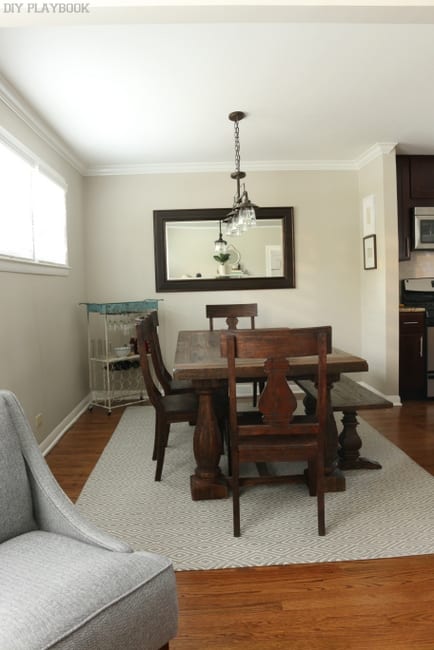
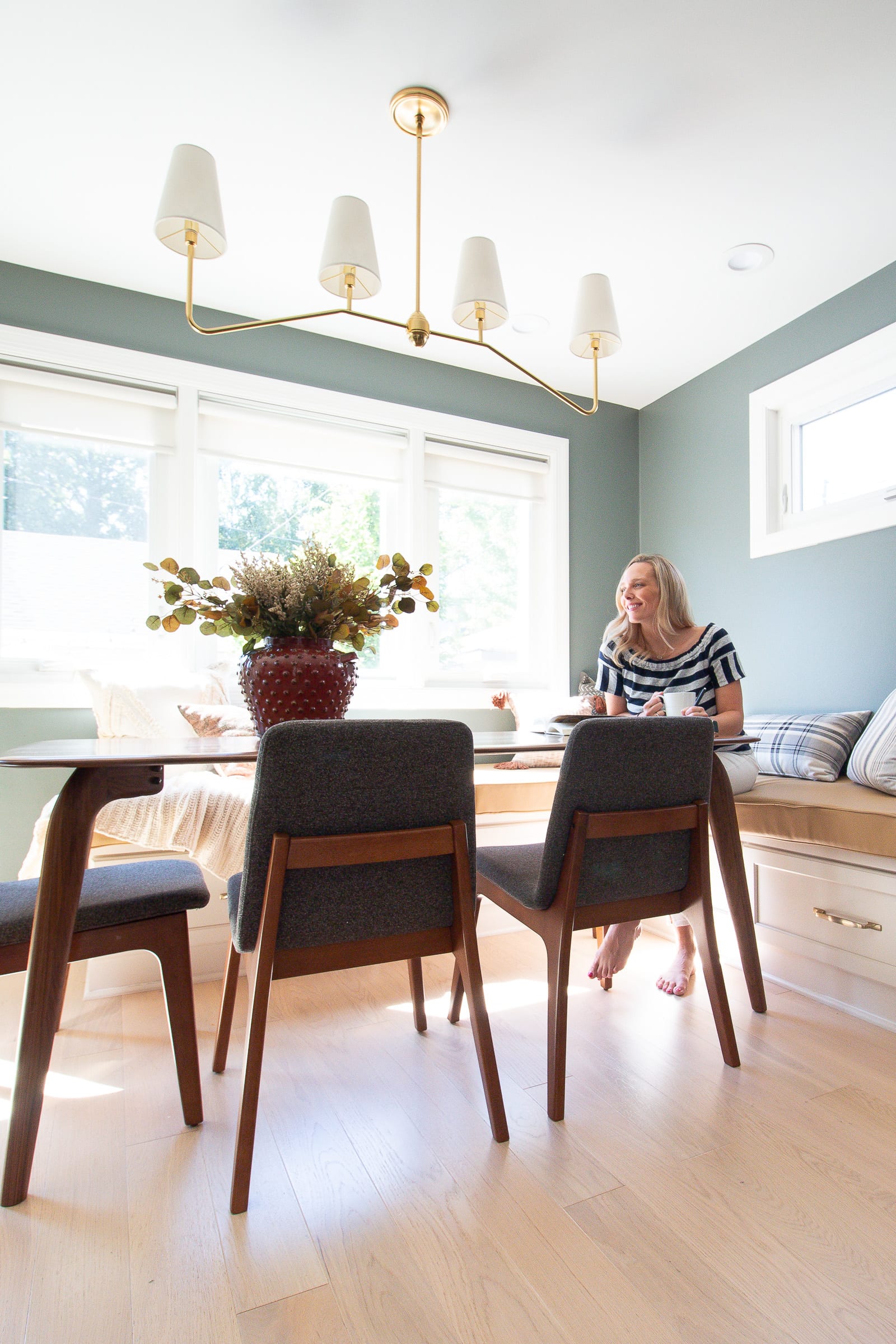
One of my favorite examples of this comes from my friend Bridget’s dining room. When she first furnished this space, she bought a dining table and a matching set of chairs. Same style, same color, same finish. On paper, it all “worked.”
But in real life, the room felt heavy and one-note.
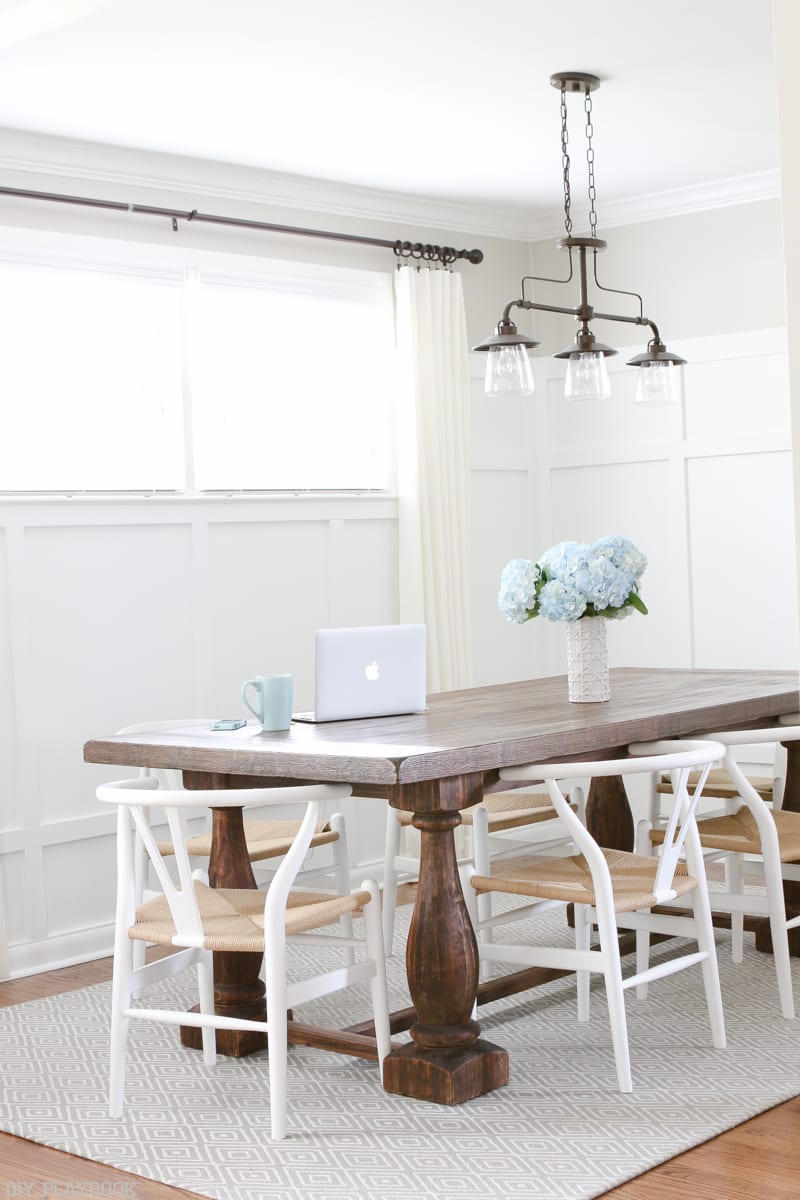
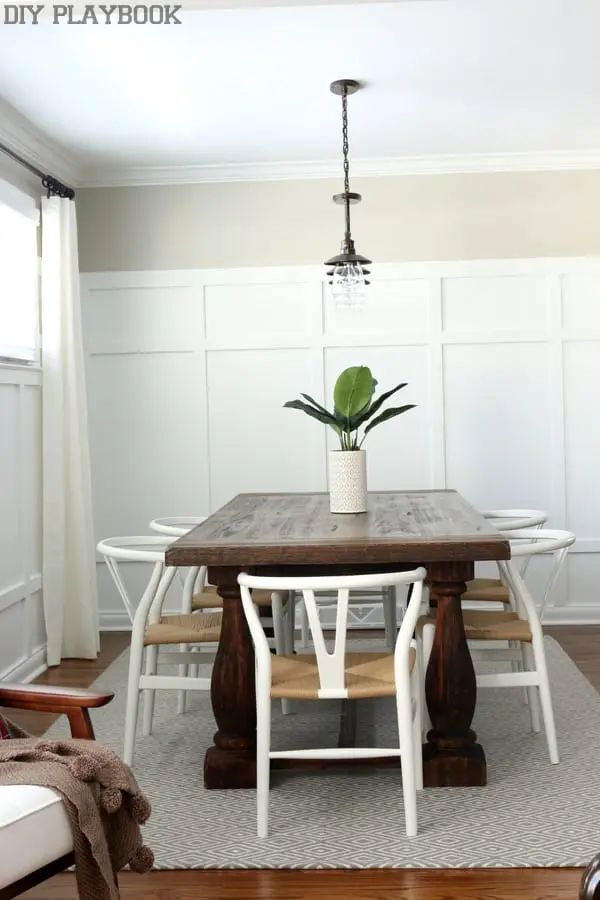
Instead of replacing everything, she kept the dining table she loved and made one simple change: she swapped out the matching chairs and sold them. The new chairs were a different style and a different color, which instantly changed how the entire space felt.
That single swap created contrast. The table became the focal point instead of blending in. The room suddenly had visual interest, depth, and a more intentional, designed feel, without changing the layout or buying a whole new dining set.
When in doubt, swap one thing out and sell it on Facebook Marketplace. Then, use that cash to buy a different piece of furniture for the room.
Before You Buy Anything, Try This
Bridget’s dining room is a great example of how swapping one thing can make a big impact. But here’s another option that’s even easier and totally free.
If you already own a matching furniture set, try splitting it up between rooms.
So often, the issue isn’t the furniture itself—it’s that all of the pieces are living in the same room. When every piece is the same wood tone, same style, and same scale, the room can feel heavy and overly matchy.
Instead, look at what you have and start moving things around. Maybe one nightstand moves to a guest room, the matching dresser works better in a hallway or office, or a bedside table becomes a side table in the living room. Breaking up a matching set instantly adds variety, even if the pieces are still very similar.
How I Create a Layered Room (From Scratch)

When I’m decorating a room from scratch, I don’t start by shopping for a matching furniture set. I start by thinking about how I want the room to feel when I walk into it. Calm, cozy, light and airy, grounded, inviting. That feeling becomes my north star and helps guide every decision that follows.
I Choose One Anchor Piece to Build Around
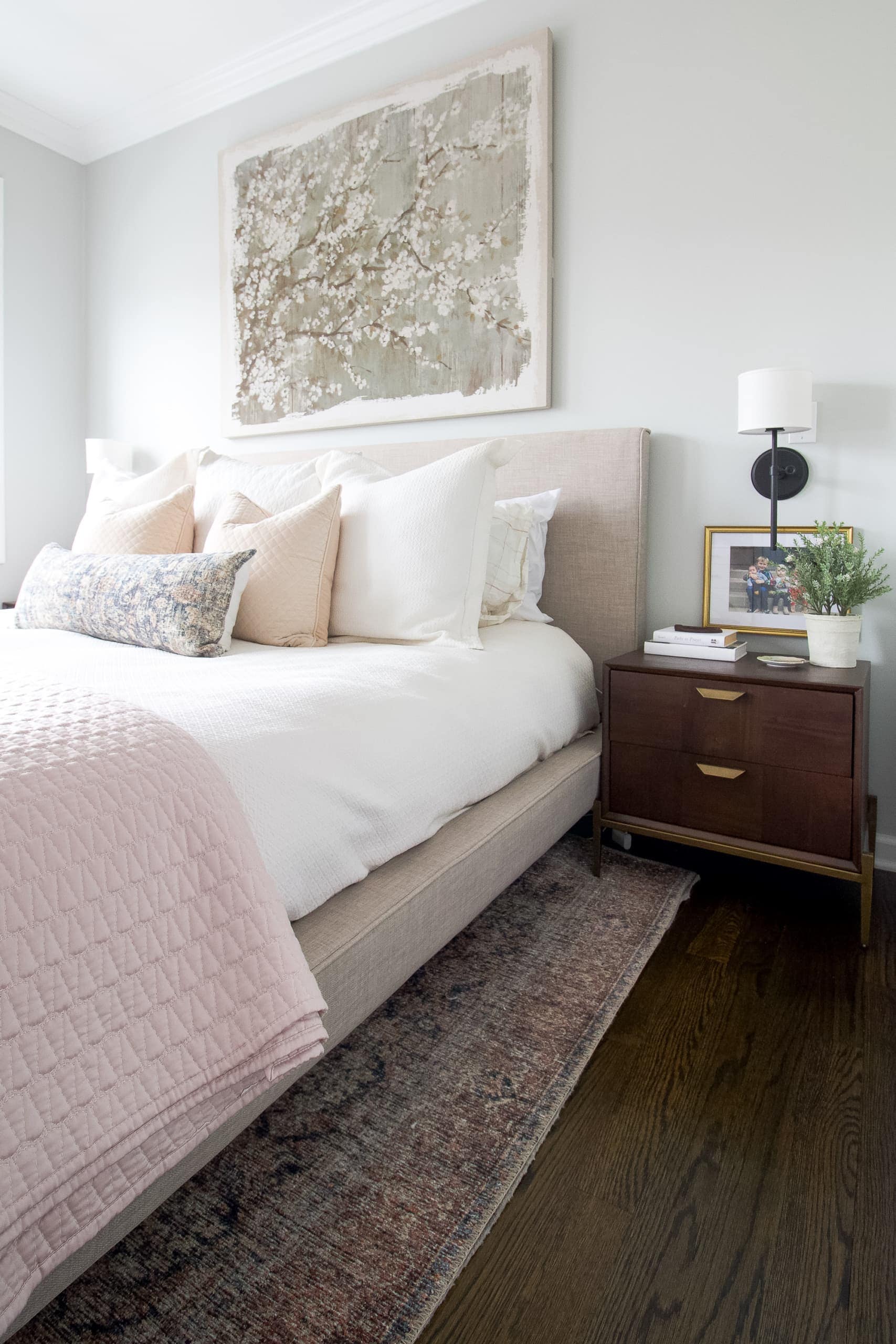
Every room needs a starting point. In a living room, that’s usually the sofa. In a bedroom, it’s the bed. In a dining room, it’s the table. This anchor piece sets the tone for the entire space, so I let it lead instead of trying to match everything else to it.
Matching furniture often feels “safe” because people are actually afraid of scale mistakes. This post helps solve the real fear.
I Build a Color Palette, Not Exact Matches
Once the anchor is in place, I think about color—but not in a matchy way. I’m not trying to repeat the exact same color over and over. Instead, I pull together a cohesive color palette using complementary colors and a few recurring tones that feel connected. This creates a cohesive look without everything feeling identical.
If you want to learn more about creating a cohesive home color palette, check out this blog post.
I Mix Shapes to Break Things Up
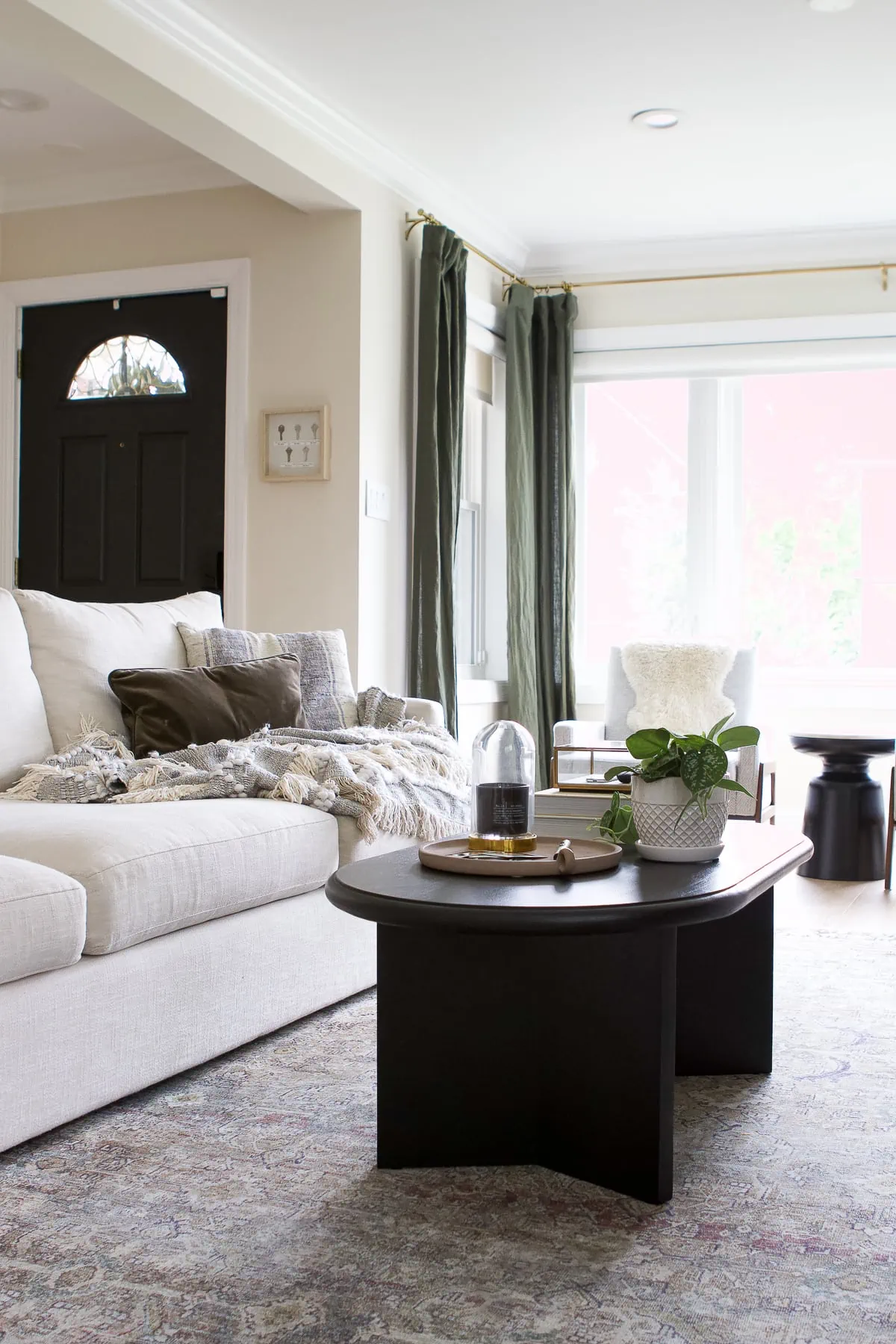
This is something I pay close attention to now. If a room has a lot of straight lines—like a sofa with square arms or a rectangular dining table—I’ll intentionally bring in something round nearby. A round coffee table, a curved side table, or softer shapes help break up all those hard edges and add visual interest.
Mixing old and new pieces is one of the best ways to avoid a matchy look. Pair something vintage with something modern to add depth and make your space feel collected over time.
I Balance “Airy” and “Grounded” Pieces
Another thing I think about constantly is how heavy or light a piece feels in a room. Some furniture feels grounded—like a sofa without visible legs or a chunky wood table. Other pieces feel lighter and more leggy. Layered rooms usually have a mix of both. Pairing airy pieces with more grounded ones keeps the space from feeling too heavy or too sparse.
I Vary Materials and Finishes
If everything in a room is wood—and especially the same shade of wood—it’s going to feel flat. I like to mix wood furniture with other materials like stone, metal, or upholstered pieces to add depth. Even within wood tones, a little variation goes a long way.
If you’re going to use more than one wood tone in a space (which you should), give this blog post about mixing wood tones a read.
I Let the Smaller Pieces Tie Everything Together

Once the main furniture is in place, I layer in the smaller pieces like side tables, lighting, throw pillows, and accent decor. These are the elements that help reinforce the color palette and connect the room visually. They’re also the easiest things to swap over time, which is why I never stress about getting them perfect right away.
When Matching Furniture Actually Makes Sense
I’ll be honest, there aren’t many situations where I actively recommend matching furniture. But there are a couple where it works really well.
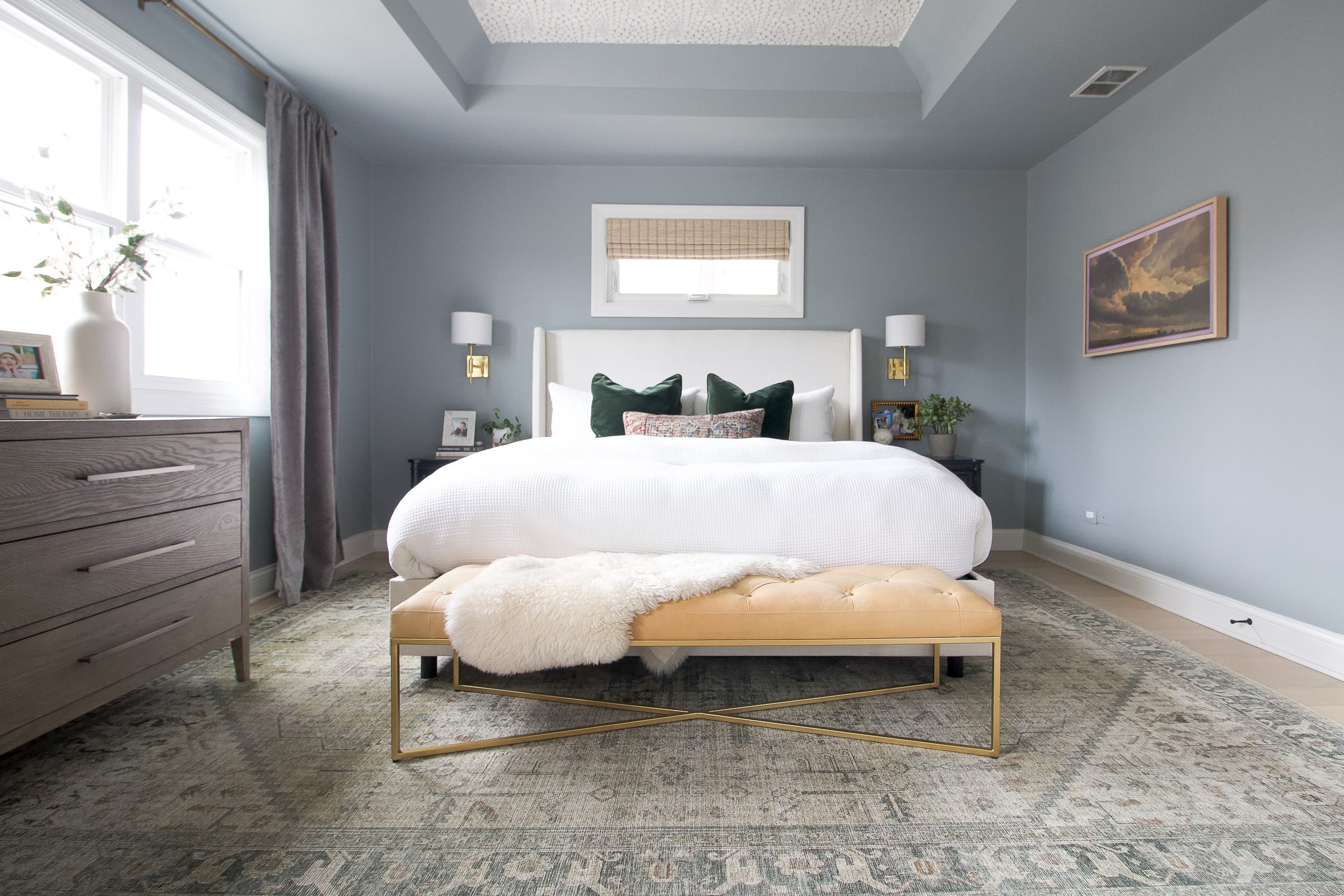
Matching bedside tables are probably the best example. On either side of the bed, they create balance and a calm, cohesive look, which is exactly what you want in a bedroom. This is one place where matching feels intentional, not lazy.
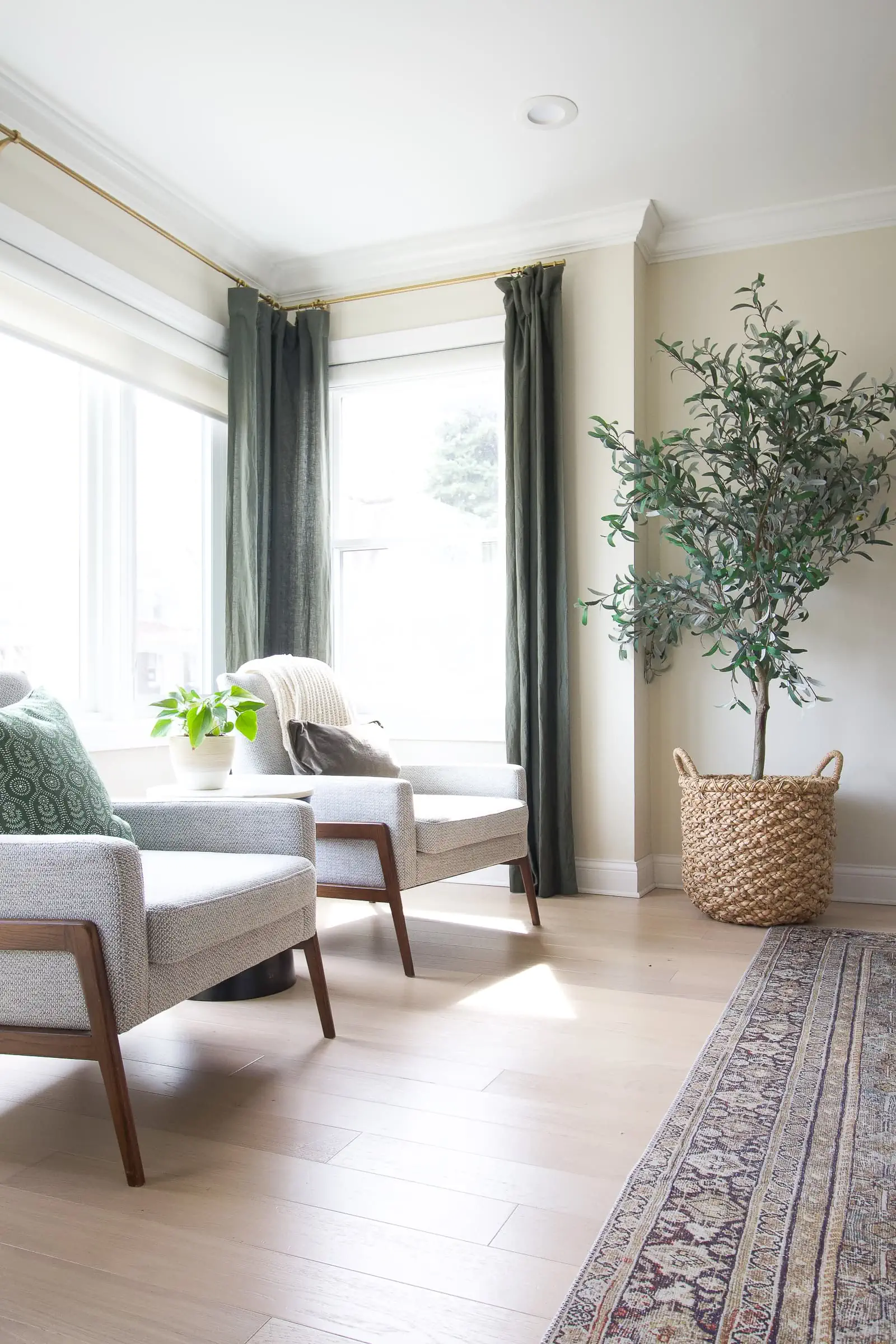
Another case where matching can work is with accent chairs. Two identical chairs placed next to each other can look great, especially in a living space where symmetry helps ground the room.
Outside of those scenarios, I’m usually pretty cautious about matching. Full room sets, matching sofas and chairs, or furniture of the same colors across an entire space tend to feel dull.
The Bottom Line
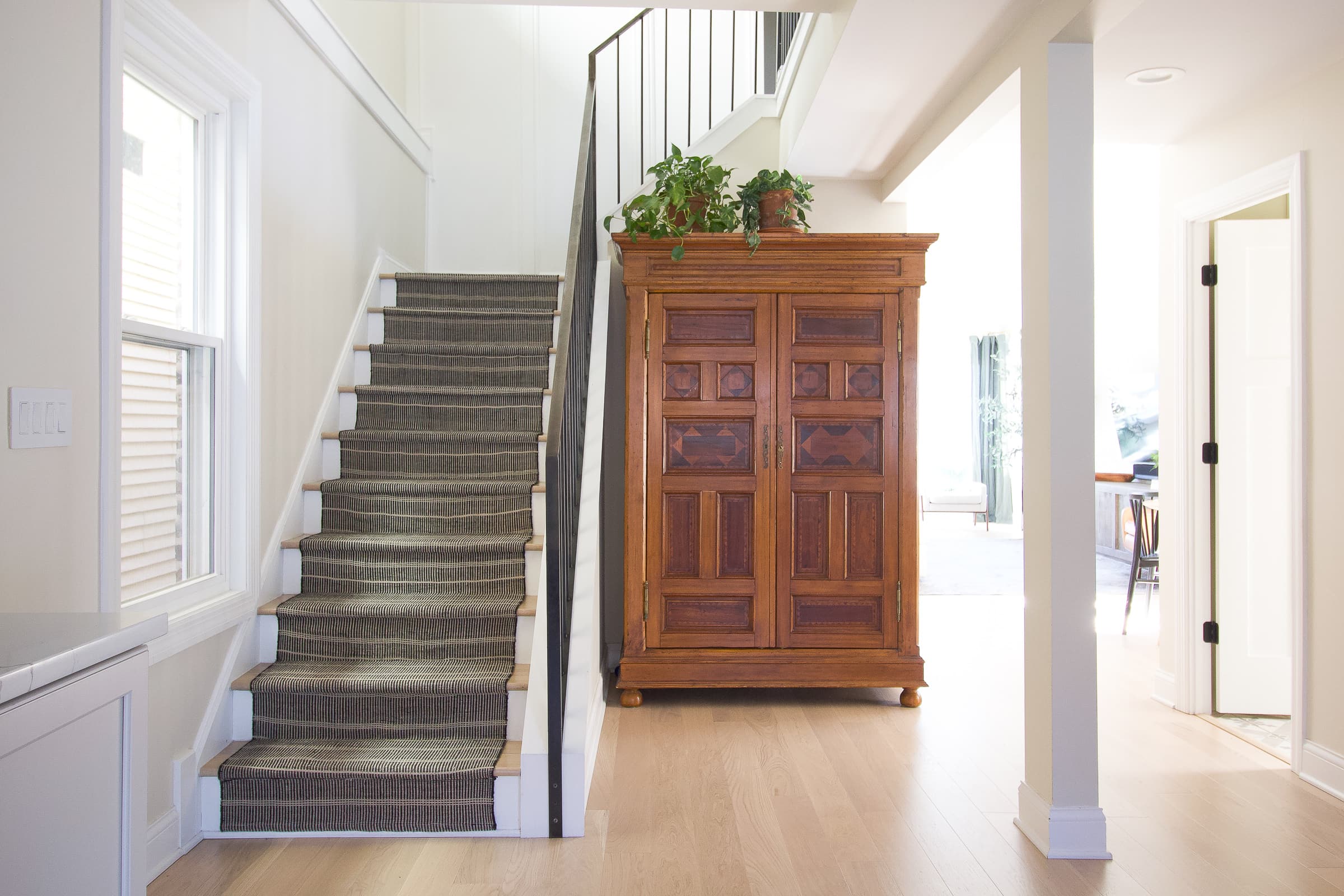
If there’s one thing I hope you take away from this, it’s this: your home doesn’t need to look like every piece within it was bought all at once. Some of the best spaces are built slowly, with a mix of pieces that tell a story and reflect your personal style.
Matching furniture sets might feel like a sure-fire way to decorate, especially when the process feels overwhelming. But creating a cohesive space is really about balance—mixing shapes, materials, and styles while keeping a common thread running through the room.
And if you already own matching pieces? You didn’t do anything wrong. Start small. Swap one thing. Move pieces between rooms. Add contrast through accent chairs, side tables, or accessories. Even small changes can completely shift how a space feels.
If this post made you rethink a few past decor decisions, you’re not alone. I’ve shared more of my biggest design mistakes, and what I’ve learned since, in my Design Mistakes series—so you can skip the trial and error part.
Casey